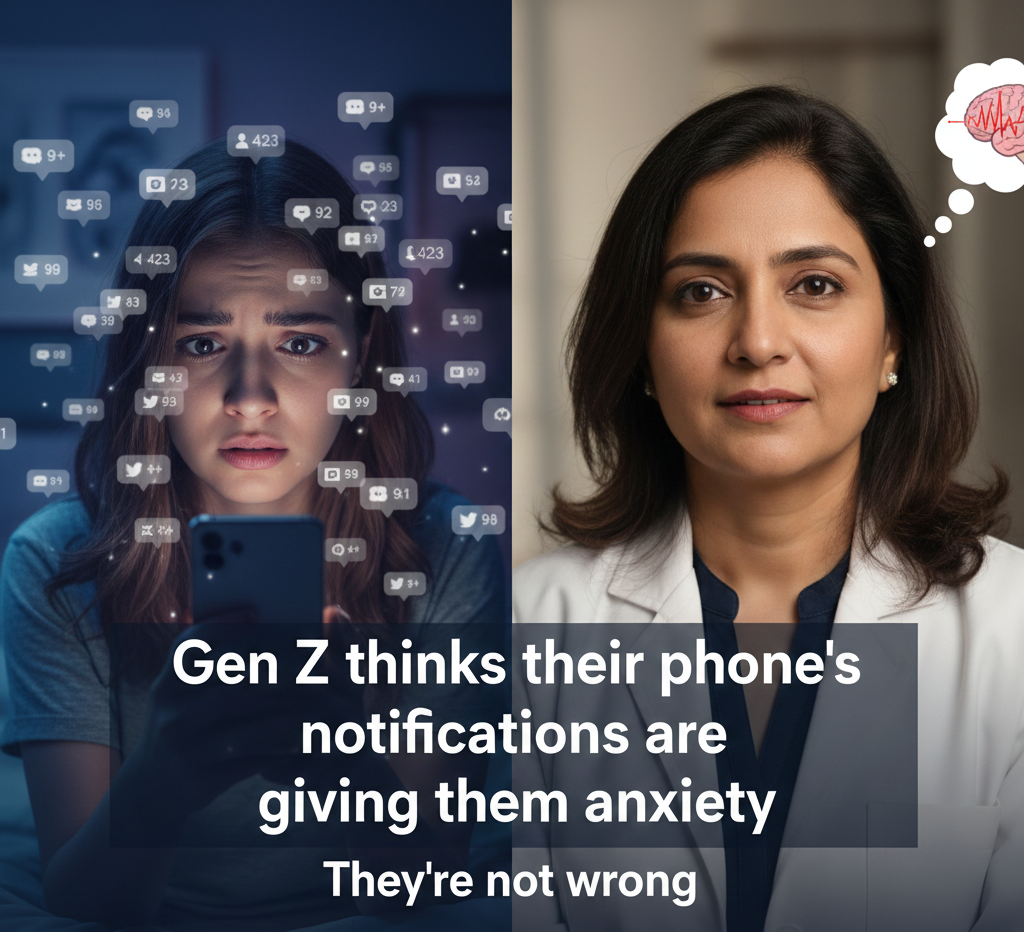

Dr Rucha Shrikhande Divekar, consultant psychologist at Ruby Hall Clinic, agreed that the constant notifications and pinging of our phones can contribute to anxiety in several ways.
Any inhabitant of the Internet world will tell you how Gen Z is becoming the centre of the conversation, especially how much they hate an actual conversation on a phone. A recent discussion revealed why many keep their phones on “Do Not Disturb” constantly.

While the feature is traditionally used to silence notifications and avoid distractions, online confessions suggest it’s also a tool for managing anxiety.
New York political strategist Max Burns sparked the conversation with a tweet on X, formerly known as Twitter, expressing surprise that some Gen Z coworkers use “Do Not Disturb” 24/7 to avoid the anxiety of answering calls. According to Buzzfeed, Burns’ tweet stemmed from a conversation with these colleagues, who revealed their preference for a notification-free zone to avoid unwanted and unexpected phone calls.
How are our phone’s notifications giving us anxiety?
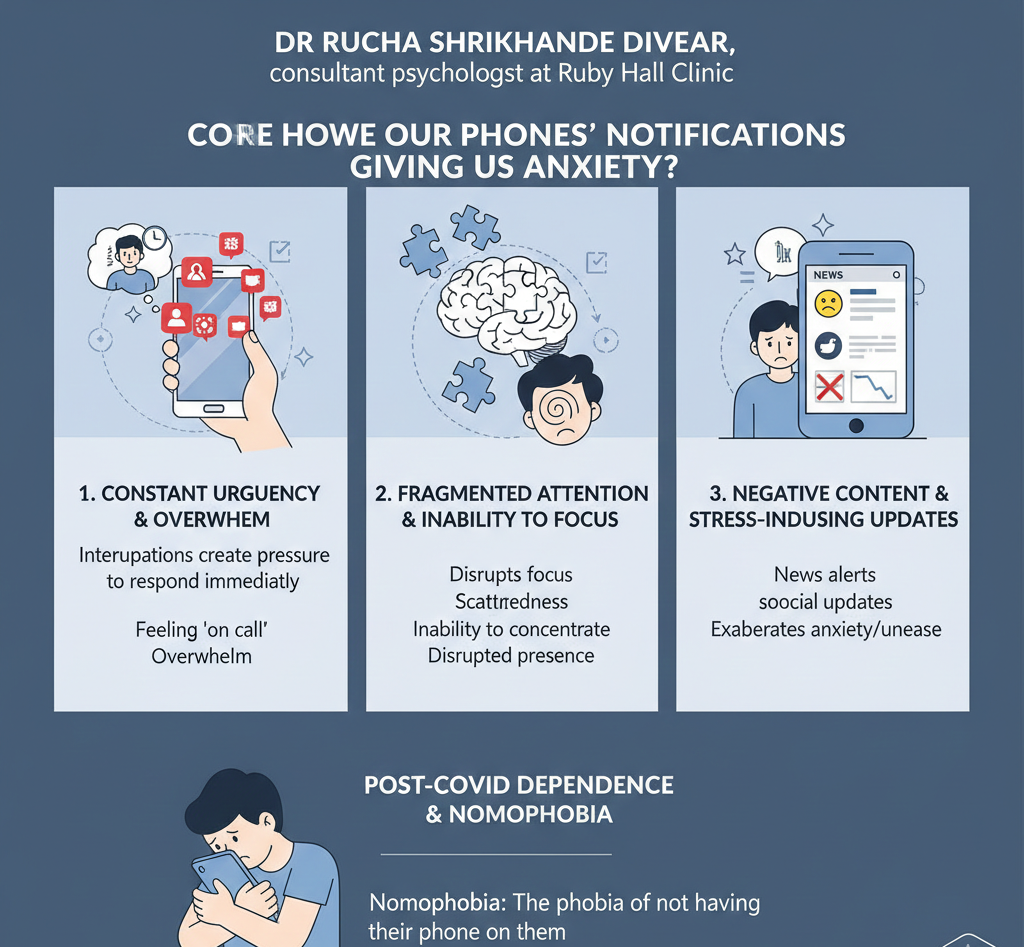
Dr Rucha Shrikhande Divekar, consultant psychologist at Ruby Hall Clinic, agreed that the constant notifications and pinging of our phones can contribute to anxiety in several ways.
“Firstly, these interruptions can create a sense of constant urgency or pressure to respond immediately, leading to feelings of overwhelm or being constantly “on call.” Secondly, the barrage of notifications can fragment our attention and disrupt our ability to focus on tasks or be present in the moment, leading to feelings of scatteredness or inability to concentrate,” she explained to indianexpress.com in an interaction.

Accordding to Dr Divekar, even the content of the notifications themselves, such as news alerts or social media updates, can often be negative or stress-inducing, further exacerbating feelings of anxiety or unease.
She noted tha we’ve become much more dependent on our phones post COVID, many of us even developing a psychological phenomenon called as nomophobia, which is the phobia of not having their phone on them.
How can we fix it?
There are several strategies to circumvent the anxiety caused by constant phone notifications.
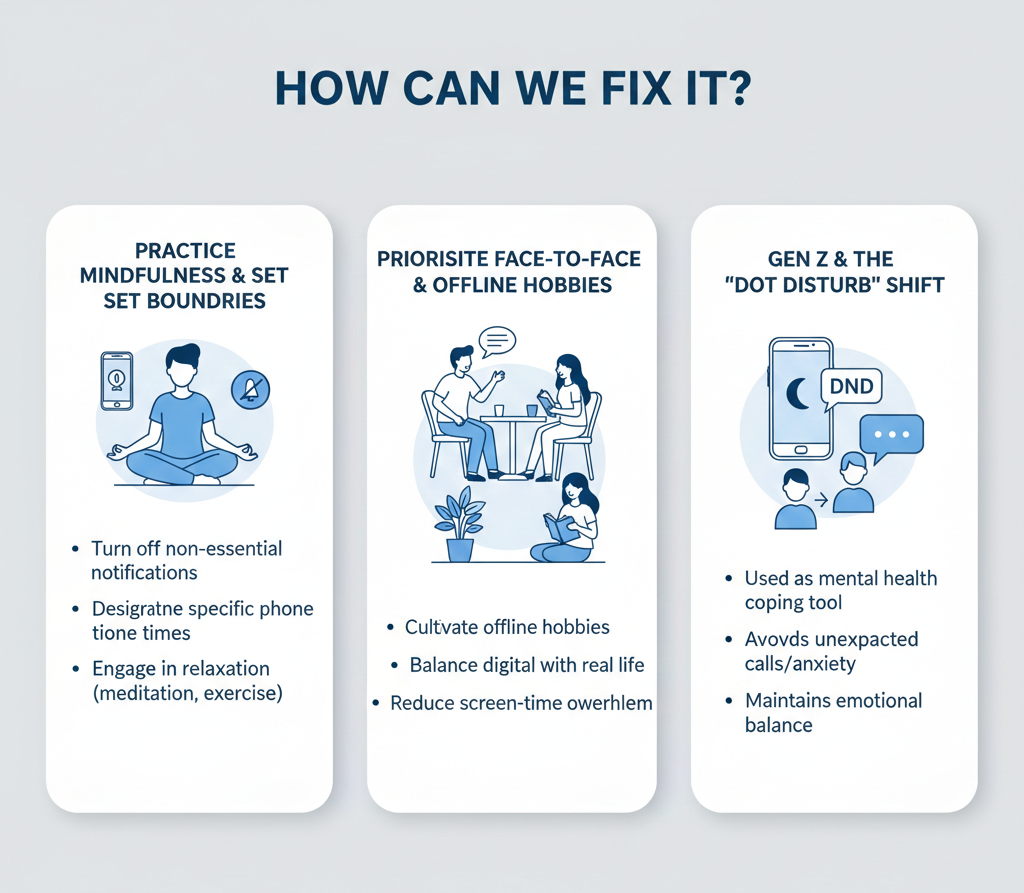
One approach is to practice mindfulness and set boundaries around phone usage. Dr Divekar said this might involve turning off non-essential notifications, designating specific times during the day to check messages or social media, and consciously engaging in activities that promote relaxation and stress reduction, such as meditation or exercise.
Additionally, she recommended prioritising face-to-face interactions and cultivating offline hobbies, as they can help to balance out the overwhelming presence of digital technology in our lives.
Why Gen Z Avoids Phone Calls and Notifications
A recent online discussion revealed why many Gen Z individuals dislike unexpected calls. While “Do Not Disturb” was traditionally used to avoid distractions, it has now become a mental health coping tool.
The conversation gained attention after Max Burns, a New York–based political strategist, shared his surprise on X (formerly Twitter). He revealed that several Gen Z coworkers keep their phones on DND at all times to avoid the anxiety of answering unexpected calls. According to BuzzFeed, these coworkers preferred a notification-free environment to maintain emotional balance.
How Phone Notifications Trigger Anxiety
According to Dr Rucha Shrikhande Divekar, consultant psychologist at Ruby Hall Clinic, constant notifications and phone alerts can contribute to anxiety in multiple ways.
1. Constant Sense of Urgency
“Notifications create pressure to respond immediately, making people feel constantly ‘on call’,” Dr Divekar explained. This persistent urgency can lead to stress, overwhelm, and emotional exhaustion.
2. Broken Focus and Mental Fatigue
Frequent pings fragment attention and reduce the ability to concentrate. This can cause:
- Difficulty focusing
- Feeling mentally scattered
- Reduced productivity
Over time, this lack of mental stability can heighten anxiety levels.
3. Negative and Stressful Content
News alerts and social media notifications often carry negative or alarming content. Continuous exposure to such information can amplify feelings of fear, unease, and emotional instability.
Post-COVID Phone Dependency and Nomophobia
Dr Divekar also pointed out that our dependency on smartphones has increased significantly after COVID-19. Many people now experience nomophobia—the fear of being without their phone.
This psychological condition can lead to:
- Panic when the phone is misplaced
- Anxiety when battery is low
- Discomfort when disconnected from the internet
How Can We Fix Notification-Induced Anxiety?
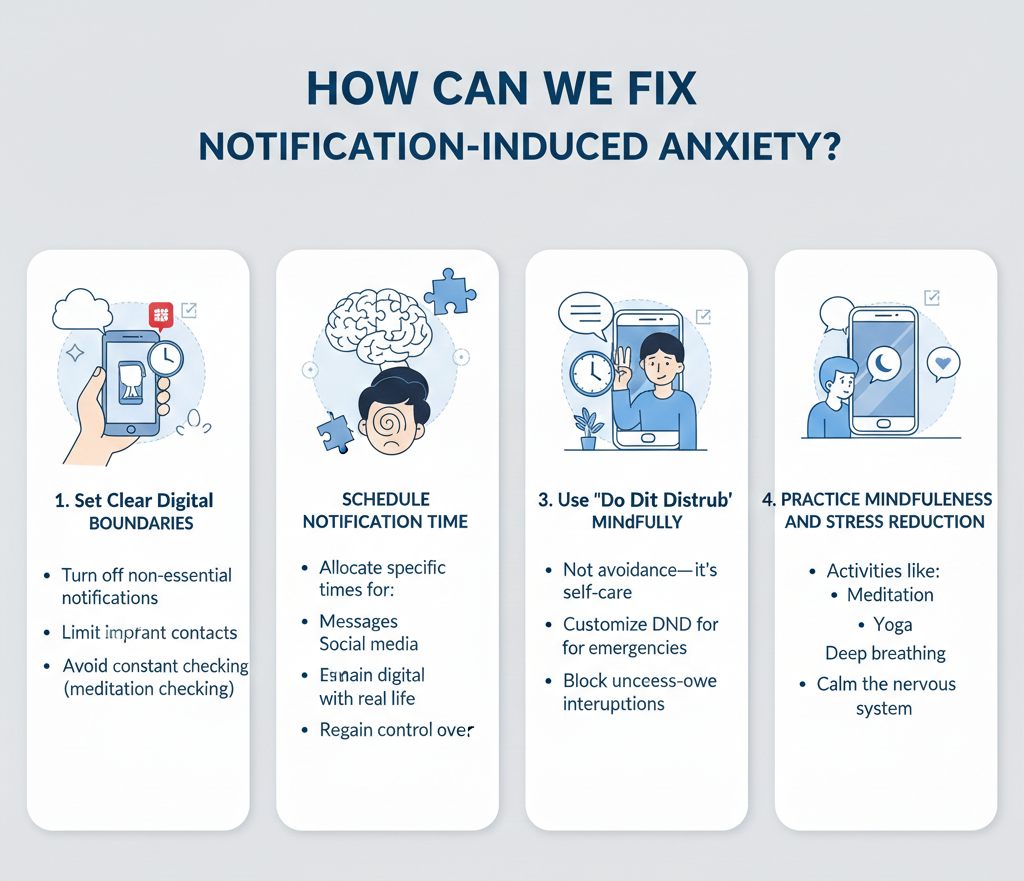
1. Set Clear Digital Boundaries
Turn off non-essential notifications and limit alerts to only important calls or messages. Avoid constant checking.
2. Schedule Notification Time
Instead of reacting instantly, allocate specific times during the day to check:
- Messages
- Emails
- Social media
This helps regain control over attention.
3. Use “Do Not Disturb” Mindfully
Using DND mode is not avoidance—it’s self-care. Customizing DND settings can allow emergency contacts while blocking unnecessary interruptions.
4. Practice Mindfulness and Stress Reduction
Dr Divekar recommends activities like:
- Meditation
- Yoga
- Exercise
- Deep breathing
These practices help calm the nervous system and reduce anxiety.
5. Reduce Screen Time Gradually
Limiting overall phone usage, especially before bedtime, can improve mental clarity, sleep quality, and emotional balance.
Why Gen Z’s Approach Makes Sense
Unlike previous generations, Gen Z is more open about mental health and emotional well-being. Their choice to silence notifications is not about ignoring people—it’s about protecting their peace in an always-connected digital world.
Conclusion
Gen Z’s anxiety around phone notifications is not imaginary—it is rooted in real psychological effects. Constant alerts, social pressure, and negative content can overwhelm the mind. By setting boundaries, practicing mindfulness, and using digital tools wisely, individuals can reduce anxiety and reclaim mental control.